
The Hanuman Chalisa, a revered hymn of 40 verses, is widely available as PDF, enabling devotees to read, study, and share its devotional verses digitally. PDFs preserve original Sanskrit, Hindi, and transliteration, offering accessible scripture for worship and research. A handy PDF for daily devotion
Definition and Significance
The Hanuman Chalisa is a devotional hymn composed of forty verses praising Lord Hanuman, the monkey‑god revered for strength, devotion, and unwavering service. In PDF form, it preserves the original Sanskrit, Hindi, and transliteration, allowing readers to study the precise meter and meaning without distortion. The Chalisa’s verses invoke Hanuman’s courage, wisdom, and protective qualities, offering spiritual solace and protection to devotees. PDFs provide a portable, searchable format that enables scholars to cross‑reference verses, compare translations, and share the text across digital platforms. For devotees, the PDF version serves as a convenient tool for daily recitation, meditation, and educational purposes, ensuring that the hymn’s teachings remain accessible to all, regardless of location or device. By digitizing the Chalisa, the tradition adapts to modern technology while maintaining the sanctity of the original composition. The PDF’s fixed layout preserves the original calligraphy and decorative motifs that are integral to the Chalisa’s aesthetic heritage, ensuring that even digital readers can appreciate the artistic nuances embedded in the verses. Consequently, the PDF version serves as text scholarly resource that bridges ancient tradition with digital accessibility!
Historical Popularity
The Hanuman Chalisa has long been a staple of devotional practice, and its transition to PDF has amplified its reach. Early printings in the 19th century were limited to regional presses, but the advent of the internet in the late 20th century created a new platform for dissemination. Several Hindu organizations began offering the Chalisa in PDF format, allowing devotees to download, print, and share the text. The PDF’s portability made it possible to incorporate the hymn into mobile apps, e‑books, and digital prayer books, thereby reaching a global audience. Scholars and practitioners noted that the digital format preserved the original meter and transliteration, which is essential for accurate recitation. As a result, the Chalisa’s popularity surged, especially among younger devotees who prefer digital media. In addition, PDF versions are often accompanied by audio recordings, translations in multiple languages, and annotated commentaries, further enhancing its appeal. The widespread availability of the Chalisa in PDF format has also facilitated academic research, enabling easy citation and cross‑referencing of verses. Today, the PDF remains a primary medium for sharing the Chalisa across temples, online communities, and personal devotional practices worldwide. Moreover, the PDF format has been embraced by diaspora communities, who use it to maintain cultural ties across continents. Digital libraries and religious portals host thousands of versions, some annotated by renowned scholars, providing deeper insight into the verses. The ease of sharing PDFs via email and social media has turned the Chalisa into a viral devotional resource, especially during festivals and crises. Legal frameworks around copyright have evolved, with many publishers offering the PDF under open licenses to encourage widespread use. This openness has fostered collaborative translations, ensuring that the hymn remains accessible to non‑Hindi speakers worldwide. Finally, the digital preservation of the Chalisa safeguards its authenticity for future generations, ensuring that the sacred verses endure beyond physical manuscripts. Its digital presence ensures every devotee can access the hymn instantly.now!

Historical Context and Origins
PDF versions maintain the original 40‑verse structure, allowing global access to the hymn’s medieval origins. Digital copies preserve linguistic nuances, ensuring accurate recitation and study for contemporary devotees worldwide. They allow scholars to study patterns and devotional daily practices!
Manuscript Traditions
The Hanuman Chalisa has survived through centuries of handwritten manuscripts, originally penned in regional scripts such as Devanagari, Gujarati, and Bengali. Scholars trace early copies to the 16th‑century, with variations in verse order and minor orthographic differences. Digital PDF reproductions capture these variants, allowing comparative study of marginal notes, colophons, and scribal annotations. Modern digitization projects, often hosted by libraries and religious institutions, provide high‑resolution scans that preserve ink density, ink‑color shifts, and paper texture, offering researchers a faithful visual record. By converting fragile originals into PDFs, preservationists prevent further degradation while enabling worldwide access. The PDF format also supports embedded metadata, enabling scholars to tag provenance, scribe names, and regional provenance, thereby enriching the historical narrative of the Chalisa’s transmission. This digital archive serves both devotional communities and academic circles, ensuring that the living tradition of the Hanuman Chalisa remains accessible for future generations. Moreover, the PDF format allows for interactive features such as hyperlinks to translations, audio recitations, and searchable text, enhancing both devotional practice and academic research. Users can annotate PDFs, bookmark verses, and sync them with mobile apps, ensuring that the Chalisa remains a living, interactive scripture across generations. Experience it today.!!!
Authorship and Attribution
Scholars widely credit the composition of the Hanuman Chalisa to the 16th‑century poet‑priest Goswami Tulsidas, who is also famed for the epic Ramcharitmanas. The Chalisa’s verses, written in a mix of Awadhi and Hindi, reflect Tulsidas’s devotion and literary skill, yet some regional traditions claim earlier origins, citing oral recitations from the 13th‑century Bhakti movement. Contemporary research into palm‑leaf manuscripts and early printed broadsides suggests that the text was likely compiled over several decades, with scribes adding marginalia that later became integral to the hymn. In many PDF editions, the “Author” field lists “Goswami Tulsidas” while footnotes reference “Traditional Attribution” and note that the Chalisa may have evolved through communal transmission. Modern digital libraries often include a provenance section that cites manuscript collections from the Rajasthan State Archives and the National Library of India, providing scholars with a chain of custody that traces the Chalisa from hand‑written codices to printed volumes; The PDF format’s ability to embed metadata allows these details to remain attached to each file, ensuring that readers can verify the historical lineage of the text. For devotees, this transparency reinforces the spiritual authenticity of the Chalisa, while for academics it offers a concrete framework for textual criticism and comparative studies. PDFs also allow annotations, bookmarks, and hyperlinks for devotion now. Readers annotate verses in the PDF soon. PDFs support audio recite!!

Structure and Content of the Chalisa
The Hanuman Chalisa PDF presents 40 verses, each in Awadhi, structured into four quatrains. The PDF layout shows original script, transliteration, and English translation side‑by‑side, enabling readers to follow meter and meaning simultaneously. The PDF adds commentary and a glossary for terms.
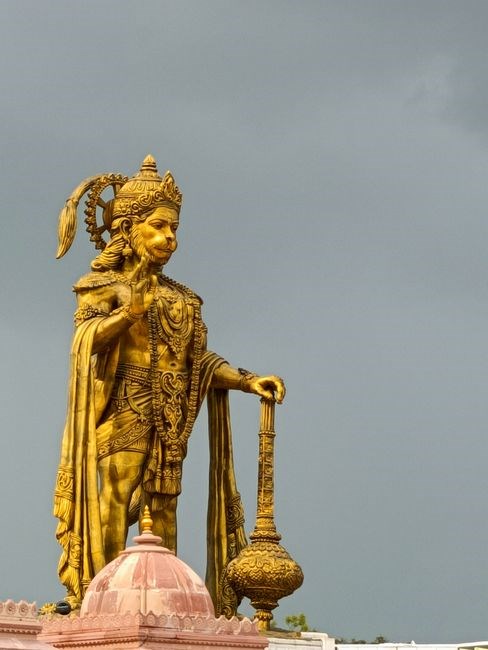
Structure: 40 Verses
The PDF version of the Hanuman Chalisa is meticulously organized into 40 verses, each presented in its original Awadhi script alongside a faithful transliteration and a clear English translation. This structure allows devotees to read the hymn in its traditional form while also understanding its meaning in real time. The verses are grouped into four stanzas of ten lines each, following the classic format of a chalisa. The PDF layout includes a numbered list, making it easy to reference specific verses during recitation or study. Additionally, many PDF editions feature marginal notes that explain cultural references, such as the mention of “Raghu” lineage or the symbolic “golden” attributes of Lord Hanuman. The consistent formatting across all pages ensures that the rhythmic meter, known as “chhand,” is preserved, allowing readers to appreciate the poetic cadence. For those who prefer a visual aid, some PDFs embed small illustrations of Hanuman in various poses, reinforcing the spiritual imagery. The PDF also provides a table of contents at the beginning, listing each stanza and its thematic focus, such as devotion, courage, or divine service. The PDF is also optimized for mobile devices, ensuring legibility on small screens without sacrificing layout integrity. Users can annotate directly within the PDF using standard PDF readers, marking verses that resonate personally. Moreover, many versions include a QR code linking to an audio recitation, allowing simultaneous listening and reading. This multimedia integration enhances devotional practice, making the PDF a comprehensive tool for both study and worship. All rights reserved. 2026

Language and Meter
In PDF editions of the Hanuman Chalisa, the original Awadhi verses are presented in Devanagari script, accompanied by a precise phonetic transliteration that preserves the tonal quality of each line. The English translation is rendered in a clear, contemporary style, allowing readers unfamiliar with Sanskrit or Hindi to grasp the hymn’s devotional intent. The meter follows the traditional “chhand” pattern, a rhythmic structure that balances syllabic length and stress to create a melodic flow. Each of the 40 verses is divided into four-line stanzas, with the first and third lines typically containing 16 syllables and the second and fourth lines 15 syllables, a pattern that lends itself to chanting. PDF layouts often highlight this meter by using a subtle columnar indentation or by numbering each line, enabling users to trace the rhythmic cadence visually. Additionally, many PDFs embed a small audio icon beside each stanza, linking to an MP3 of the verse recited in the original meter, which helps readers internalize the rhythmic structure. The combination of script, transliteration, translation, and audio cues makes the PDF a comprehensive resource for both linguistic study and devotional practice. The format also supports annotation, allowing scholars to add marginal notes on metrical variations or theological nuances. Overall, the PDF preserves the linguistic richness and metrical elegance that have made the Hanuman Chalisa a timeless spiritual text. PDF format; PDF!

Availability of Hanuman Chalisa in PDF Format
PDF versions are hosted on sites like the Vedanta Society and third‑party archives such as GitHub and PDF sites. Users can download directly or via cloud links ensuring free legal access to the full 40‑verse hymn inlanguages daily daily.daily

Official Websites
Several recognized religious and cultural organizations host the Hanuman Chalisa in PDF format, ensuring that the text remains authentic and freely available for study and devotion. The Vedanta Society of Southern California offers a carefully formatted PDF that includes the original Sanskrit verses, Hindi transliteration, and an English translation by Philip Lutgendorf. This version is downloadable from the society’s official website and is regularly updated to reflect the latest scholarly commentary. Another prominent source is the official website of the Jagadguru Rambhadracharya, which provides a PDF that features the Chalisa in Devanagari script alongside a detailed commentary. The site also hosts a collection of related devotional literature, allowing users to explore the broader context of the Chalisa within the Ramayana tradition. In addition, the official portal of the Shri Hanuman Mandir in Varanasi offers a downloadable PDF that emphasizes the hymn’s role in daily worship rituals. These sites typically provide the PDF in a high‑resolution format suitable for printing, and they often include links to audio recitations and transliteration guides. By accessing the Chalisa through these official channels, devotees can be confident that they are engaging with a version that has been vetted by scholars and practitioners alike, preserving the integrity of the text for future generations. These PDFs are freely downloadable and include audio recitations;

Third-Party Repositories
Beyond official channels, the Hanuman Chalisa in PDF format can be sourced from a variety of third‑party repositories that aggregate devotional texts for free distribution. Popular platforms such as GitHub, Scribd, and Archive.org host user‑uploaded PDFs that often include additional features like commentary, transliteration, or high‑resolution scans of original manuscripts. Users can search for “Hanuman Chalisa PDF” on these sites and find versions curated by scholars, devotees, or digital archivists. Many of these repositories provide multiple language options, including Hindi, English, and regional Indian languages, making the Chalisa accessible to a global audience. The PDFs hosted on these platforms are typically available for direct download, and some offer the option to view the document online in a browser‑based PDF viewer. While these sources are convenient, it is advisable to verify the authenticity of the text by cross‑referencing with recognized editions or consulting a knowledgeable practitioner, as the open nature of these repositories can sometimes lead to variations or incomplete versions. Nonetheless, third‑party repositories play a crucial role in preserving and disseminating the Hanuman Chalisa, especially for users who prefer a lightweight, offline format or who wish to incorporate the text into digital devotionals and study tools. See official sites for info. now

Downloading and Accessing PDFs
Downloading the Hanuman Chalisa PDF is straightforward: visit trusted sites like the official Hanuman Chalisa portal or reputable repositories, click the download button, and save the file to your device. Once downloaded, open it with any PDF reader for offline devotion. Save for daily devotion!
Direct Downloads
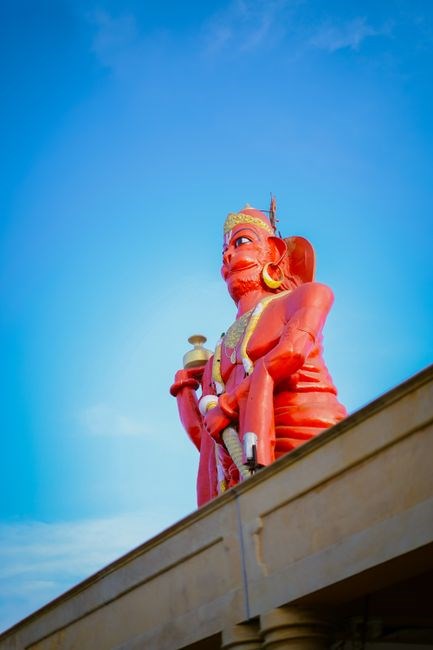
Direct downloads of the Hanuman Chalisa in PDF format are available from several reputable sources. The most common method is to visit the official Hanuman Chalisa website, where a dedicated download link is provided for the complete 40‑verse hymn in both Hindi and English transliteration. Users can simply click the link, confirm the download, and the PDF file will be saved to their local storage. Another reliable option is to use well‑known third‑party repositories such as GitHub or institutional archives that host the Chalisa as a PDF. These platforms often provide a “Download ZIP” or “Raw” button, allowing users to retrieve the file directly. In addition, many devotional blogs and community forums host the PDF as a free resource; a quick search for “Hanuman Chalisa PDF download” will reveal multiple links. When downloading, it is advisable to verify the file’s integrity by checking the file size (typically around 200–300 KB) and ensuring the title matches the official name; After the download, the PDF can be opened with any standard reader, printed, or shared electronically for personal devotion or group study. This direct approach eliminates the need for additional software or conversion steps, making the hymn readily accessible to all. For users on mobile devices, the PDF can be opened with native apps or cloud storage services, ensuring portability across platforms. Additionally, some sites offer the PDF in multiple languages, such as Marathi, Telugu, and Kannada, catering to diverse linguistic audiences. Finally, always keep a backup copy in a secure location to preserve the sacred text for future generations. Use the PDF responsibly, ensuring it remains a source of inspiration for devotees in the heart.
Use of Cloud Storage
Storing the Hanuman Chalisa PDF in a cloud service offers instant access from any device, seamless sharing with fellow devotees, and automatic backup against data loss. Popular platforms such as Google Drive, Dropbox, OneDrive, and iCloud allow users to upload the file, set sharing permissions, and embed the link in personal websites or social media. The PDF can be organized into a dedicated folder, tagged with keywords like “devotion”, “Hanuman”, and “Chalisa”, making retrieval quick during prayer or study sessions. Some services provide version history, enabling users to revert to earlier edits if the file is accidentally altered. For collaborative study groups, the cloud folder can be shared with read‑only access, ensuring the original text remains unchanged while participants can annotate or comment using built‑in tools. Mobile apps for these services sync the PDF automatically, so devotees can read the hymn on a smartphone or tablet while traveling. Additionally, cloud storage offers encryption options; users can password‑protect the PDF or enable two‑factor authentication for added security. When sharing the Chalisa for community use, a public link can be generated that preserves the PDF’s format and prevents unauthorized modifications. Finally, many cloud services provide analytics on file access, allowing a community leader to gauge how widely the Chalisa is being read and to plan future devotional events accordingly. This setup keeps the Chalisa safe and always ready.