Tacoma Manual Shift Knob: A Comprehensive Guide
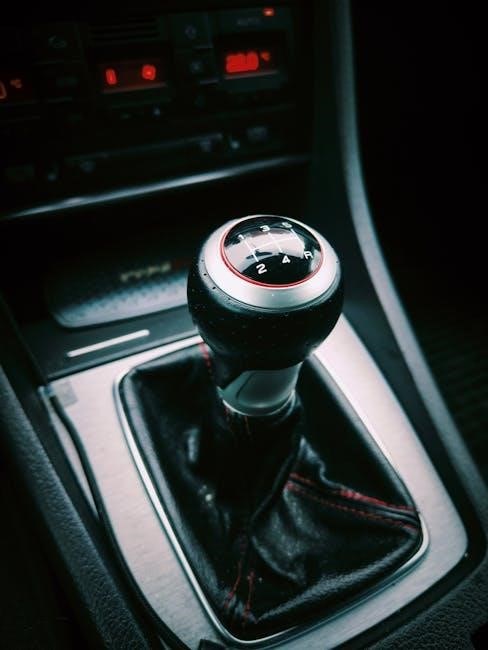
Tacoma manual shift knobs enhance driving, offering diverse materials like leather and ABS for a better feel. They’re vital for smooth gear changes!
Tacoma manual shift knobs represent a crucial interface between driver and transmission, extending beyond mere functionality to encompass personalization and driving experience enhancement. These knobs facilitate effortless gear selection, contributing significantly to overall vehicle control. Available in a wide array of materials – from durable ABS plastic to refined leather and robust aluminum – Tacoma shift knobs cater to diverse aesthetic preferences and performance needs.
The design and construction of a shift knob impact not only the tactile feel during gear changes but also the vehicle’s interior style. Understanding the options available, from stock replacements to aftermarket upgrades, empowers Tacoma owners to optimize their driving environment. This guide delves into the world of Tacoma manual shift knobs, providing a comprehensive overview of their types, installation, and customization possibilities.
The Importance of a Quality Shift Knob
A quality shift knob transcends simple aesthetics; it’s a fundamental component impacting driving comfort and control within your Tacoma. A well-chosen knob provides a secure and ergonomic grip, reducing hand fatigue during extended drives and ensuring precise gear selection. Inferior knobs can become slippery or uncomfortable, hindering smooth shifting and potentially leading to missed gears.
Furthermore, the material and weight of a shift knob influence the overall driving feel. Weighted knobs, for example, can improve shift precision and reduce transmission vibrations. Investing in a durable, well-constructed knob prevents premature wear and tear, saving on replacement costs. Ultimately, a quality shift knob enhances the connection between driver and machine, contributing to a more enjoyable and confident driving experience.
Materials Used in Tacoma Shift Knobs
Tacoma manual shift knobs are crafted from a variety of materials, each offering unique benefits. ABS plastic is a common, affordable option known for its durability and resistance to wear. Aluminum provides a premium feel, excellent heat dissipation, and a sporty aesthetic. Leather-wrapped knobs offer superior comfort and grip, enhancing the in-cabin experience.
Beyond these, materials like delrin and stainless steel are also utilized. Weighted knobs often incorporate brass or steel inserts to increase mass. The choice depends on driver preference – prioritizing comfort, durability, or performance. Material selection impacts not only the knob’s feel but also its longevity and resistance to environmental factors.
ABS Plastic Shift Knobs
ABS plastic shift knobs represent a popular choice for Tacoma owners due to their affordability and practicality. This thermoplastic material is known for its impact resistance and ability to withstand daily wear and tear. ABS knobs are lightweight, contributing to a quicker shift feel, and are available in a wide array of colors and designs.
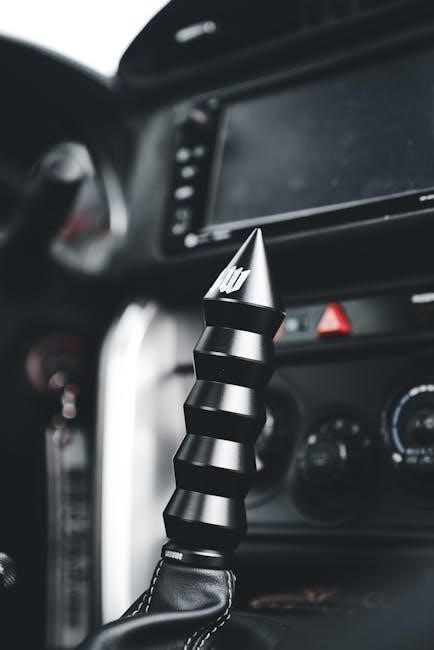
While not as premium-feeling as metal or leather options, ABS provides a good balance of cost and functionality. They are easily molded, allowing for intricate shapes and textured grips. However, prolonged exposure to direct sunlight can potentially cause fading or slight deformation over time. Overall, ABS knobs are a reliable and budget-friendly upgrade.
Aluminum Shift Knobs
Aluminum shift knobs offer a significant upgrade in both feel and aesthetics for your Tacoma. Known for their durability and robust construction, these knobs provide a solid, premium experience. The added weight of aluminum contributes to a more substantial shift action, potentially improving gear selection precision.
Aluminum dissipates heat well, making it comfortable to the touch even in hot weather. They are often available with various finishes, including brushed, polished, and anodized options, allowing for customization. While generally more expensive than ABS plastic, the increased quality and longevity make them a worthwhile investment. Careful consideration should be given to knurling or grip patterns for optimal control.
Leather Wrapped Shift Knobs
Leather-wrapped shift knobs provide a luxurious and comfortable feel for Tacoma drivers. The leather offers a superior grip, especially during extended drives, and adds a touch of sophistication to the interior. These knobs often feature a core material, like aluminum or stainless steel, providing weight and durability beneath the leather exterior.
Leather can be found in various colors and stitching patterns, allowing for personalization to match your vehicle’s interior. However, leather is susceptible to wear and tear, potentially requiring occasional conditioning to maintain its appearance and prevent cracking. Quality varies significantly; full-grain leather offers the best durability and feel compared to bonded leather options.
Weighted Shift Knobs: Benefits and Drawbacks
Weighted shift knobs, popular among Tacoma enthusiasts, offer a more substantial feel during gear changes. The added weight—typically from materials like brass or stainless steel—can improve shifting precision and reduce the feeling of a vague or sloppy transmission. Many drivers report a more connected and engaging driving experience with a weighted knob.
However, there are drawbacks. The increased weight can cause fatigue during prolonged driving, particularly in stop-and-go traffic. Some drivers may find the extra force required for shifting uncomfortable or even undesirable. Consider your driving style and typical usage before opting for a heavily weighted knob; a moderate weight is often a good compromise.
Installation and Removal
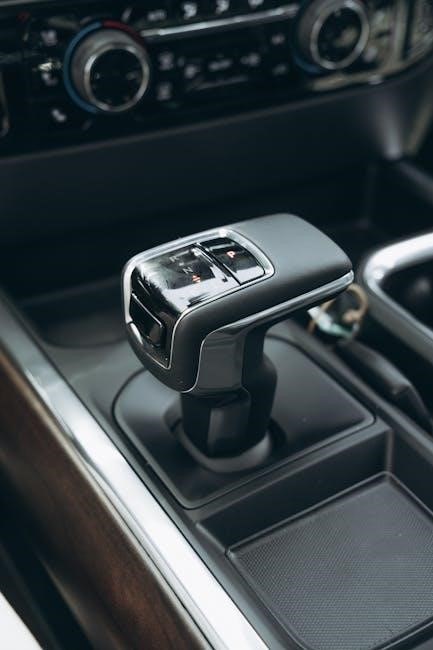
Proper shift knob installation involves removing the original equipment, carefully threading the new knob onto the shaft, and ensuring a secure fit for optimal control.
Tools Required for Shift Knob Installation
Successfully installing a new Tacoma manual shift knob requires a minimal, yet specific, set of tools. A foundational requirement is a 1/2-inch socket, typically 10mm, to facilitate removal of the original equipment. Complementing this is a 1/2-inch drive ratchet, providing the necessary leverage for efficient loosening and tightening.
A Phillips head screwdriver is also essential, often needed for disassembling surrounding trim pieces or accessing retaining screws. While not always mandatory, a microfiber cleaning cloth proves invaluable for preparing the shift shaft and ensuring a clean installation. Some specialized shift knobs may necessitate additional tools, but these are usually outlined in the product’s specific installation instructions.
Removing the Original Equipment (OE) Shift Knob
Removing the factory Tacoma manual shift knob is generally a straightforward process, though requiring careful attention. Begin by gently pulling down on the boot trim ring, carefully separating it from the OE shift knob itself. Avoid excessive force to prevent damage. Once detached, the shift knob can be loosened by turning it counter-clockwise.
Continue rotating until the knob is free from the shift shaft. It’s advisable to discard the original knob after removal, as it’s unlikely to be reused. Ensure the shaft is clean and free of any debris before proceeding with the new shift knob installation. Take note of the threading direction for easier re-installation if needed.
Steps for OE Shift Knob Removal
Step 1: Gently pull down the boot trim ring, separating it from the original shift knob. This exposes the threaded portion of the shift shaft. Step 2: Rotate the OE shift knob counter-clockwise. Apply consistent, moderate pressure; avoid jerking motions. The knob should gradually loosen as you turn.
Step 3: Once loosened, continue unscrewing the knob by hand until it’s completely detached from the shift shaft; Step 4: Inspect the shift shaft threads for any damage or debris. Clean if necessary. Step 5: Discard the removed OE shift knob, or store it safely if desired. Prepare for the new shift knob installation.
Installing a New Shift Knob
Step 1: Carefully position the new shift knob over the shift shaft, ensuring the threads align correctly. Avoid cross-threading, which can damage the shaft. Step 2: Begin threading the knob onto the shaft by rotating it clockwise; Apply gentle, even pressure as you turn.
Step 3: Continue threading the knob until it’s snug against the shift boot. Approximately ten full rotations are typically sufficient, but adjust as needed. Step 4: Avoid over-tightening, as this could strip the threads. Step 5: Test the knob’s security by attempting to gently rotate it. If it feels loose, tighten slightly more.
Threading the New Shift Knob
Initial Alignment: Carefully align the new shift knob with the transmission’s shift shaft threads. Ensuring proper alignment prevents cross-threading, a common cause of damage. Begin rotating the knob clockwise with gentle, consistent pressure. Avoid forcing it; if resistance is felt, re-align and try again.
Controlled Rotation: Continue rotating the knob slowly, monitoring the threads as they engage. Maintain even pressure to ensure a smooth, consistent thread. Approximately ten rotations are usually needed, but this can vary. Periodically check for any binding or resistance. Secure Fit: Once the knob is hand-tight, give it a final, slight turn to ensure a snug fit.
Securing the Shift Knob Properly
Post-Installation Check: After hand-tightening, firmly grasp the shift knob and attempt to rotate it. Any movement indicates insufficient tightening. If looseness persists, carefully re-thread the knob, ensuring proper alignment. Avoid over-tightening, as this can strip the threads on either the knob or the shift shaft.
Testing Gear Engagement: Cycle through all gears to confirm smooth and accurate engagement. Any difficulty shifting suggests the knob isn’t securely mounted or may be interfering with the shift mechanism. Regular Inspections: Periodically check the knob’s tightness, especially after off-road driving or vigorous use, to prevent unexpected loosening.
Types of Tacoma Manual Shift Knobs
Tacoma owners have diverse shift knob choices, including weighted, ergonomic, and aftermarket options, often featuring gear pattern indicators for enhanced control.
Aftermarket Shift Knob Options
Aftermarket shift knobs for the Tacoma dramatically expand personalization beyond factory offerings. These range from simple, direct replacements focusing on improved grip and feel, to highly customized designs reflecting individual style. Materials include durable aluminum, lightweight titanium, and comfortable leather-wrapped variants.
Many aftermarket options prioritize ergonomics, offering shapes designed to fit comfortably in the hand during spirited driving. Others focus on aesthetics, with unique colors, finishes, and even illuminated designs. Beyond appearance, performance-oriented knobs, like weighted shift knobs, aim to improve shift feel and reduce transmission vibrations. Installation is generally straightforward, often requiring only basic hand tools, making them a popular modification for Tacoma enthusiasts.
Weighted Shift Knobs for Tacoma
Weighted shift knobs for the Tacoma are popular upgrades aimed at enhancing the driving experience. These knobs, typically constructed from heavier materials like brass or stainless steel, add substantial mass to the shift lever. This increased weight provides a more substantial and connected feel during gear changes, potentially improving shift accuracy and reducing the effort required.
Benefits include a more deliberate and satisfying shift action, and a reduction in cabin vibrations. However, drawbacks can include increased fatigue during prolonged driving, especially in stop-and-go traffic. The ideal weight is subjective, depending on driver preference and driving style. Careful consideration should be given to balancing improved feel with potential comfort concerns.
Ergonomic Shift Knob Designs
Ergonomic shift knob designs prioritize comfort and ease of use for Tacoma drivers. These knobs move beyond simple spherical shapes, incorporating contours and textures designed to fit the hand naturally. Common features include palm swells, finger grooves, and varying diameters to reduce strain during frequent shifting.
The goal is to minimize the force needed to change gears and improve grip, especially during spirited driving or off-road conditions. Materials like delrin or textured aluminum are often used to enhance grip and provide a secure feel. Choosing an ergonomic knob can significantly improve the overall driving experience, particularly on long journeys, by reducing hand fatigue and promoting better control.
Shift Knobs with Gear Pattern Indicators
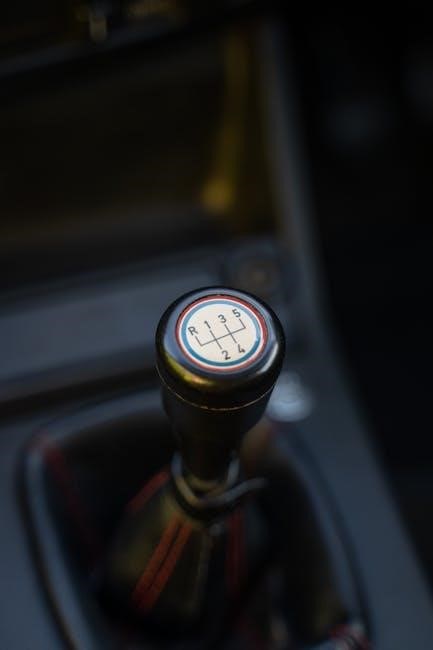
Shift knobs with gear pattern indicators are incredibly helpful, especially for drivers unfamiliar with their Tacoma’s transmission or for those who occasionally drive different manual vehicles. These knobs feature a visual representation of the gear layout – typically etched, molded, or printed directly onto the knob’s surface.
This eliminates the need to constantly glance down at the console or rely on memory for gear selection. They’re particularly beneficial for new manual drivers learning the shifting process. Indicators can range from simple 5 or 6-speed patterns to more complex diagrams including reverse gear locations. Materials used for the indicators include durable plastics, metal inlays, or even illuminated options for nighttime visibility;
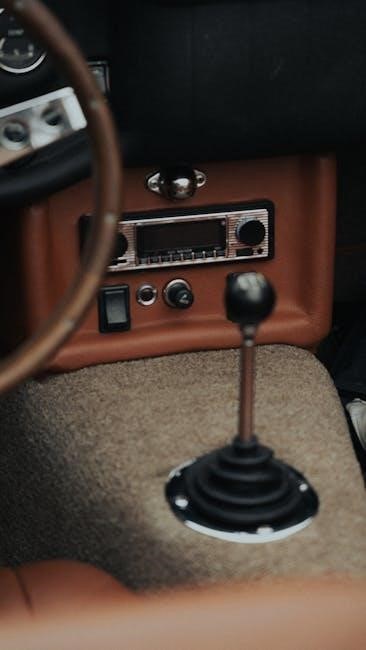
Troubleshooting Common Issues
Common issues include loose knobs, shifting difficulties, and incompatibility. Stripped threads can also occur; addressing these promptly ensures a secure and enjoyable driving experience.
Loose Shift Knob Problems
A loose shift knob is a surprisingly common issue for Tacoma owners, often stemming from wear on the threading of both the knob and the shift lever itself. This can manifest as the knob wobbling during gear changes, or even coming completely detached while driving – a potentially dangerous situation.
Several factors contribute to this problem. Repeated use naturally wears down the threads. Aggressive shifting or forcing the knob can accelerate this wear. Sometimes, the original equipment (OE) knob isn’t tightened sufficiently during initial installation.
To address a loose knob, first attempt to re-tighten it securely. If this doesn’t resolve the issue, inspect the threads for damage. Threadlocker can provide a temporary fix, but severely damaged threads may require knob or lever replacement.
Difficulty Shifting Gears After Installation
Experiencing difficulty shifting gears following a shift knob installation can be frustrating. Often, this isn’t a problem with the knob itself, but rather improper installation or slight misalignment. Ensure the knob is threaded fully onto the shift lever, allowing for a direct and unobstructed connection.
Incorrectly positioned shift boots can also impede smooth gear changes. Verify the boot isn’t pinched or obstructing the lever’s range of motion. A weighted shift knob, while enhancing feel, might require a slight adjustment period as drivers acclimate to the increased inertia.
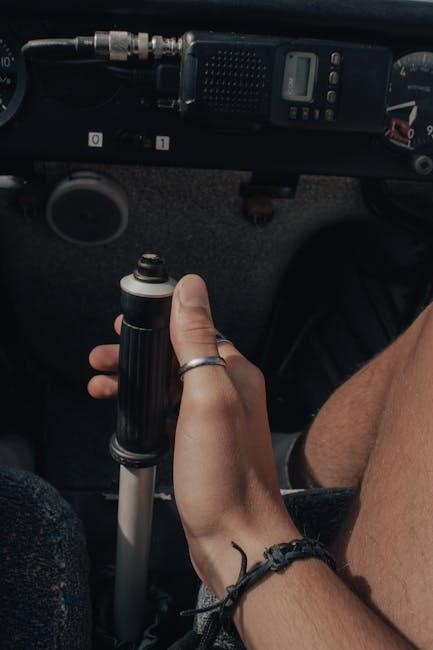
If issues persist, double-check compatibility with your Tacoma’s transmission. A poorly fitting knob can create resistance. Consider temporarily reinstalling the OE knob to confirm the problem isn’t related to the transmission itself.
Shift Knob Compatibility Issues
Shift knob compatibility with your Tacoma is crucial for a successful installation. Different Tacoma model years and transmission types may utilize varying shift lever thread patterns. Most aftermarket knobs are designed for a standard 10mm x 1.25mm thread, but verifying this beforehand is essential.
Some knobs require adapters if your vehicle doesn’t have the standard thread size. Ignoring this can lead to a loose fit or inability to install the knob at all. Furthermore, the knob’s diameter must allow sufficient space within the cabin without interfering with other controls.
Always check product descriptions and customer reviews to confirm compatibility with your specific Tacoma year and transmission. Incorrectly sized or threaded knobs can damage the shift lever.
Addressing Stripped Threads
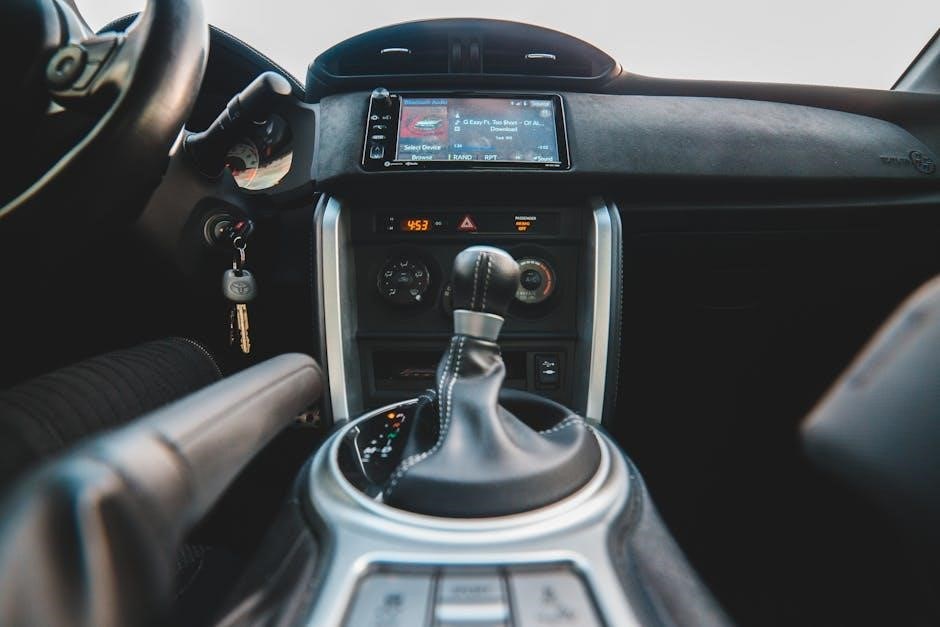
Stripped threads on your Tacoma’s shift lever are a serious issue, preventing proper shift knob installation. If you encounter resistance and the knob won’t tighten, stop immediately to avoid further damage. A common cause is excessive force during installation or using an incompatible knob.
Minor stripping can sometimes be repaired with a thread repair kit, specifically a thread insert. These kits create new threads within the existing damaged ones. For severely stripped threads, professional repair or lever replacement may be necessary.
Prevention is key: always use the correct thread size, avoid over-tightening, and ensure the knob is properly aligned during installation. Ignoring stripped threads can lead to complete transmission control loss.
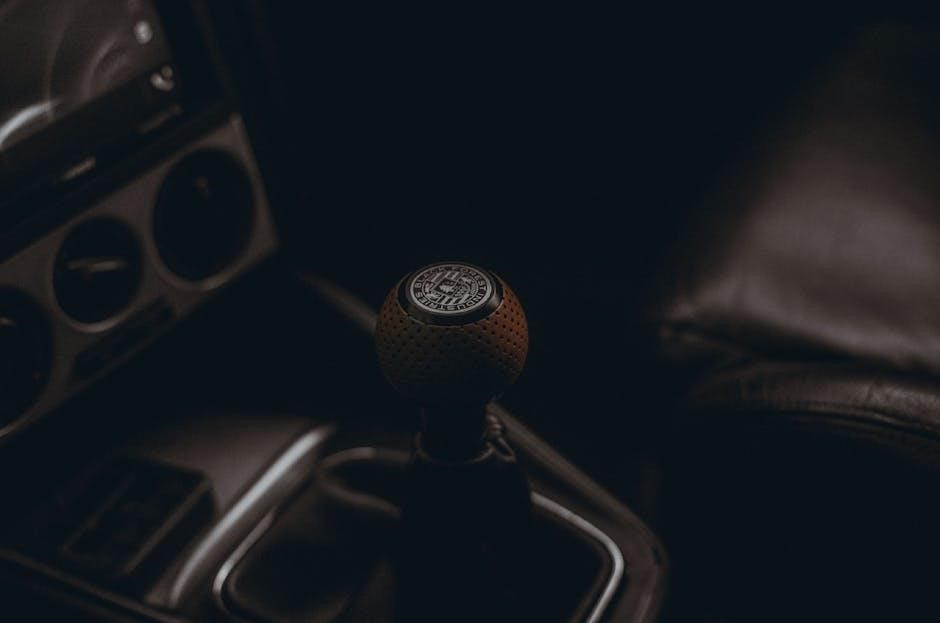
Customization and Aesthetics
Shift knobs offer a fantastic way to personalize your Tacoma’s interior, with options ranging from colors and finishes to boot compatibility and lighting!
Personalizing Your Tacoma’s Interior
Shifting beyond functionality, a Tacoma manual shift knob becomes a focal point for interior customization. It’s a surprisingly impactful upgrade, allowing drivers to inject personal style into their vehicle’s cabin. Consider the overall aesthetic – are you aiming for a rugged, off-road look, or a more refined, sporty feel?
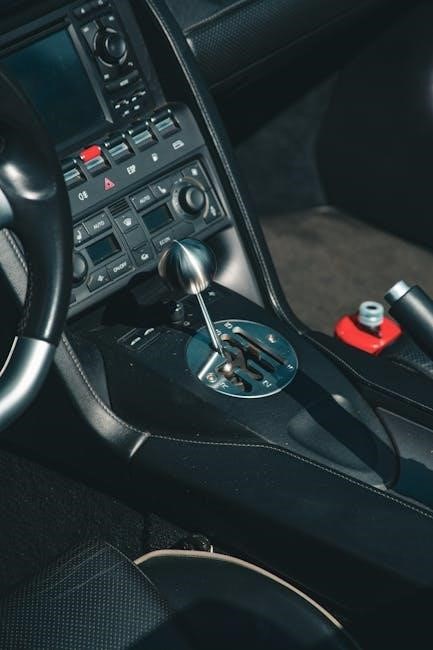
The possibilities are vast. From vibrant colors and unique materials like wood or carbon fiber, to engraved designs and weighted options, the shift knob can truly reflect your personality. Don’t overlook the shift boot; coordinating its color and texture with the knob creates a cohesive and polished appearance. A small change, like a new shift knob, can dramatically elevate the driving experience and showcase individual taste within the Tacoma.
Color and Finish Options
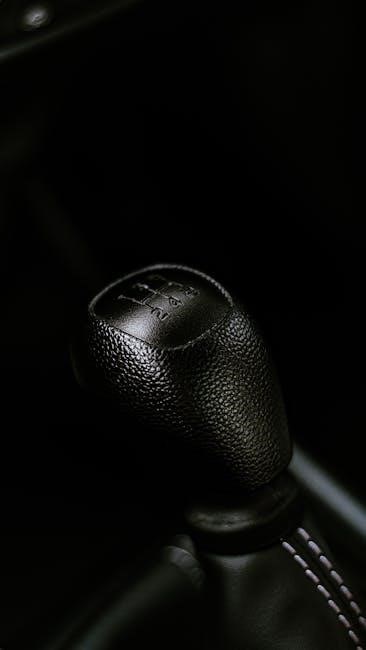
Tacoma manual shift knobs boast a spectrum of color and finish choices to complement any interior. Black is a classic, offering a stealthy look, while silver or chrome provides a modern, polished aesthetic. For those seeking a bolder statement, red, blue, or even carbon fiber finishes are readily available.
Beyond color, consider the finish. Matte finishes reduce glare and offer a subtle appearance, while gloss finishes catch the light and create a more luxurious feel. Textured finishes enhance grip, particularly beneficial for spirited driving. Material also impacts the finish; leather offers a warm, tactile experience, while aluminum provides a cool, metallic touch. Carefully selecting the color and finish ensures the shift knob seamlessly integrates with, or intentionally contrasts, your Tacoma’s interior.
Shift Boot Compatibility
Shift boot compatibility is crucial when upgrading your Tacoma’s manual shift knob. The boot, surrounding the base of the knob, provides a clean look and prevents debris from entering the console. Many aftermarket shift knobs are designed to work with the factory boot, ensuring a seamless fit.
However, some knobs, particularly those with unique shapes or sizes, may require a new shift boot. Universal shift boots are available, offering a range of colors and materials to match your interior. Proper installation involves carefully stretching the boot over the knob’s base and securing it with a retaining ring or clamp. Ensuring a snug fit prevents the boot from slipping or bunching, maintaining a polished appearance and comfortable shifting experience within your Tacoma.
Lighting Options for Shift Knobs
Lighting options for Tacoma manual shift knobs add a personalized touch and enhance visibility, especially during nighttime driving. Illuminated shift knobs utilize LED technology, offering various colors and brightness levels. These knobs often require a plug-and-play wiring harness, connecting to the vehicle’s electrical system for power.
Some kits include a dedicated switch for controlling the lighting, while others integrate with the existing interior illumination. Crystal shift knobs, paired with internal lighting, create a striking aesthetic. When installing illuminated knobs, ensure proper wiring and insulation to prevent electrical issues. Consider the color temperature and intensity to complement your Tacoma’s interior and provide optimal visibility for effortless gear selection.